

Blogs

Browse our collection of articles featuring healthcare insights and valuable information for readers of all ages.
Health Awareness & Tips

How to Protect Yourself from Dehydration and Heat Stroke This Hot Summer

As temperatures rise, the body has to work harder to stay cool. Feeling tired, thirsty, or drained in hot weather may seem common, but prolonged exposure to heat can sometimes lead to dehydration, heat exhaustion, or even heat stroke. Understanding the warning signs and taking small preventive steps can help you and your family stay safe during the hotter months. What is Heat Stroke? Heat stroke is a serious heat-related illness that happens when the body temperature rises too high and the body is unable to cool itself properly. It can affect vital organs and needs immediate medical attention. Unlike mild heat discomfort, heat stroke is an emergency. Timely action can help prevent serious complications. Who Should Be More Careful? Anyone can be affected by extreme heat, but some people may be more vulnerable, including: Older adults Infants and young children Outdoor workers Athletes and people doing heavy physical activity People with chronic health conditions People spending long hours in direct sunlight These groups should take extra care during hot weather and watch for early signs of dehydration and heat stress. Warning Signs You Should Not Ignore Heat stroke can develop quickly. A very high body temperature, confusion, dizziness, fainting,
Read More
Disease

World Brain Tumour Day: Understanding the Signs Without Fear

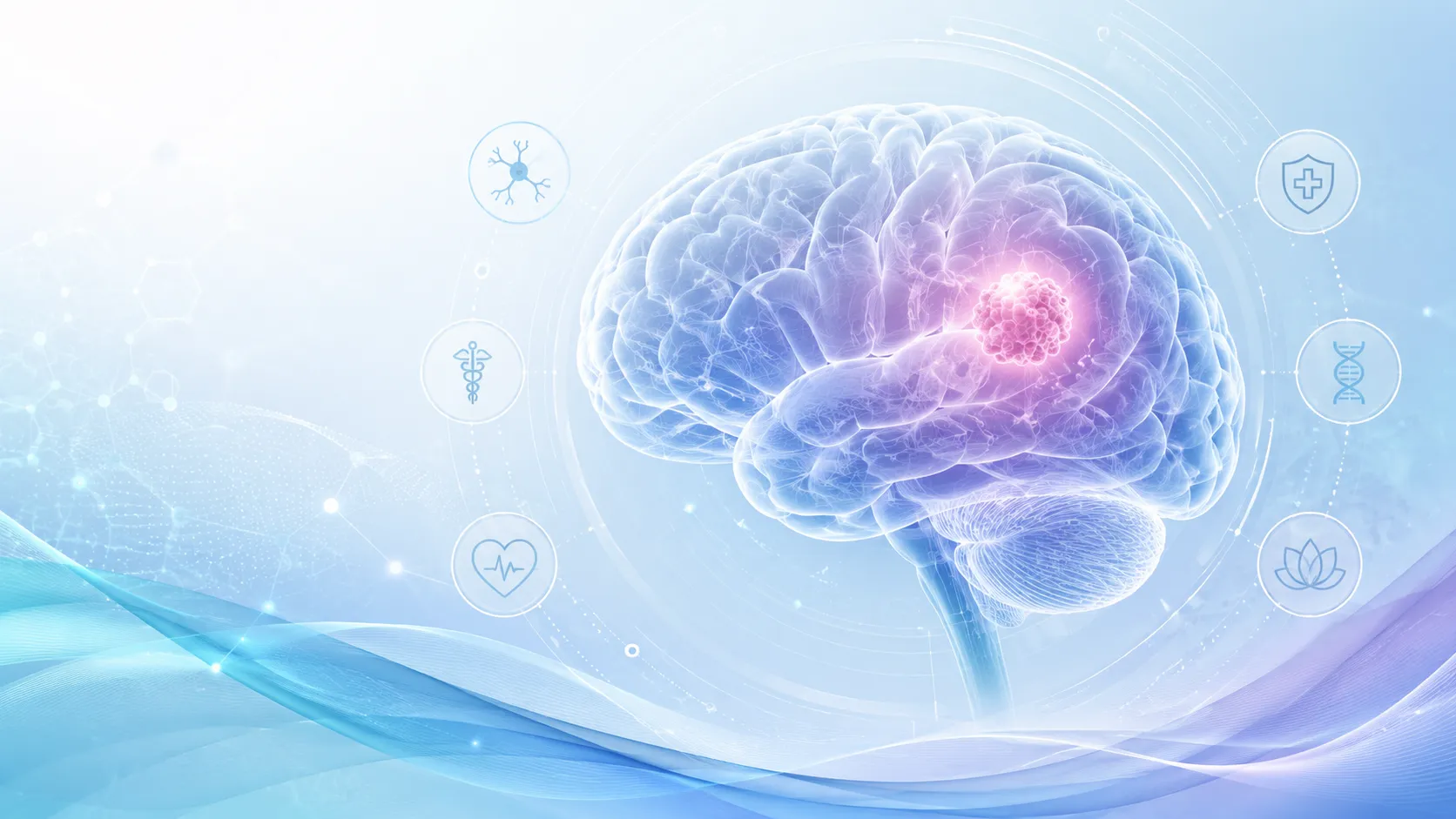
Brain tumour awareness is not about creating fear or panic. It is about helping people understand when a symptom needs attention, when to seek medical advice, and why timely evaluation can make a meaningful difference. Every year, World Brain Tumour Day is observed on 8 June to raise awareness about brain tumours and support patients and families affected by them. For many people, the word “brain tumour” immediately brings fear. But not every headache, dizzy spell, or moment of forgetfulness means something serious. At the same time, symptoms that persist, worsen, or affect daily life should not be ignored. The right approach lies in awareness, not fear. What is a brain tumour? A brain tumour is an abnormal growth of cells in or around the brain. Some tumours are benign, which means they are non-cancerous, while others may be malignant or cancerous. Even a benign tumour can sometimes cause problems if it presses on important areas of the brain. The symptoms and treatment approach depend on several factors, including the tumour’s type, size, location, and how fast it is growing. Symptoms that should not be ignored Brain tumour symptoms can vary from person to person. They may develop gradually and

Read More

Connect With
Curis Care

Our team is ready to assist you